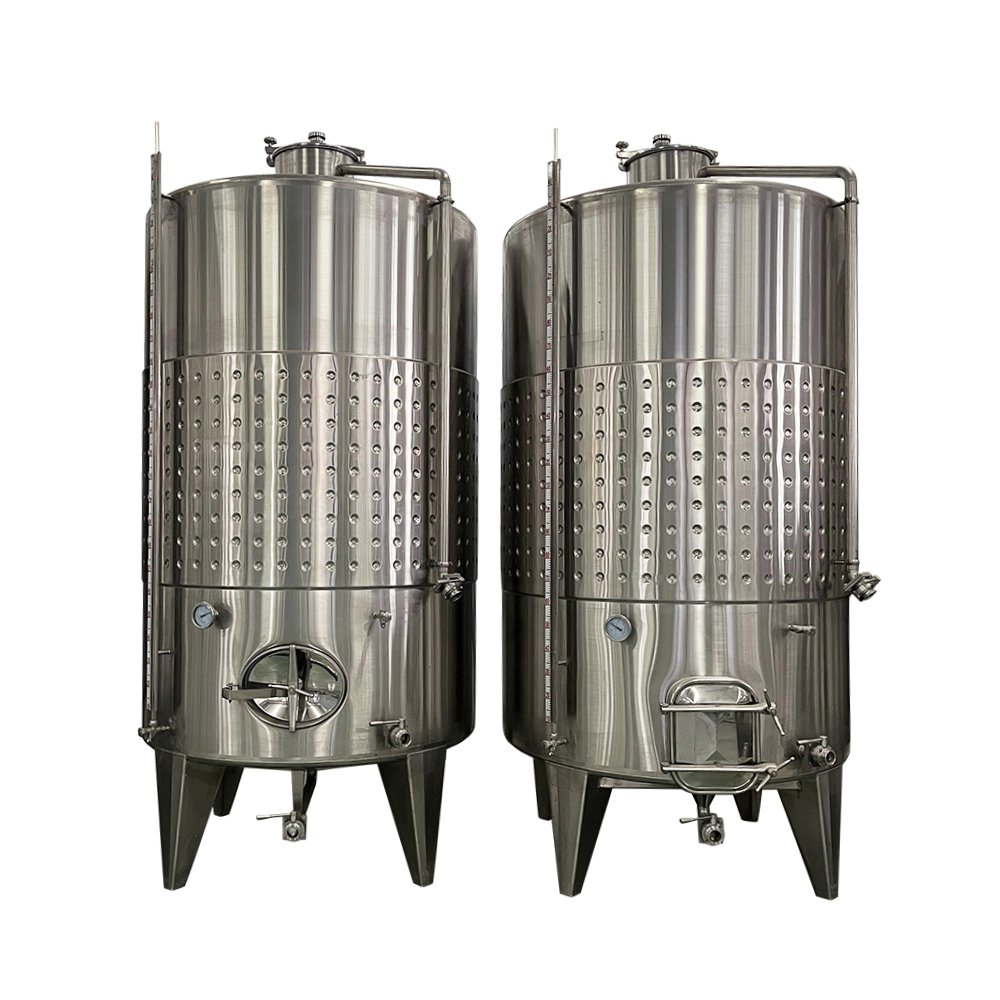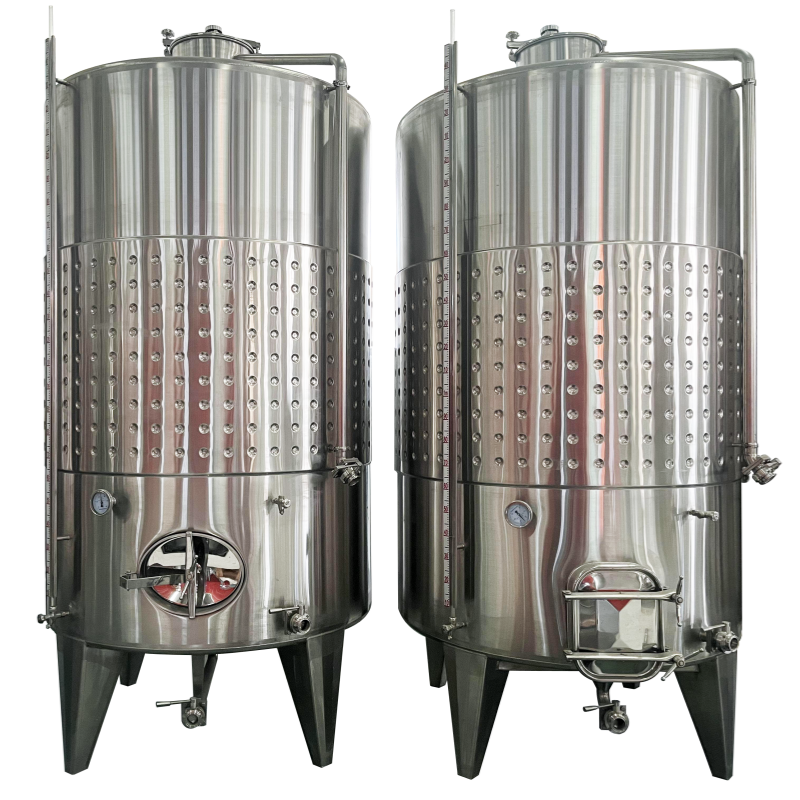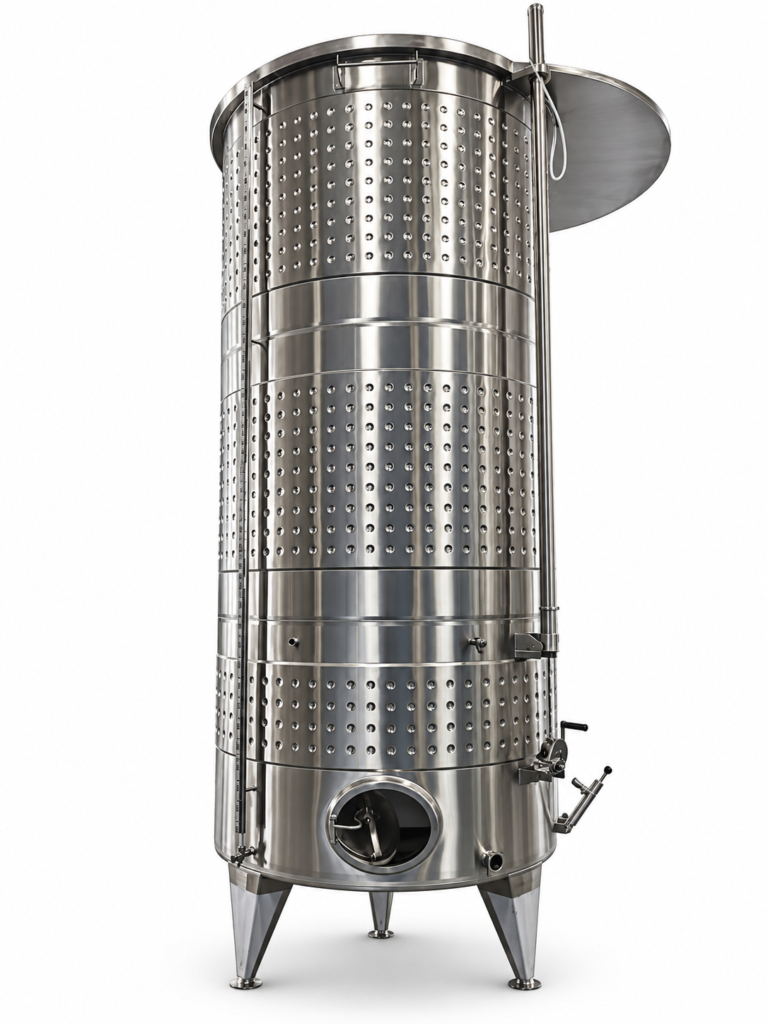
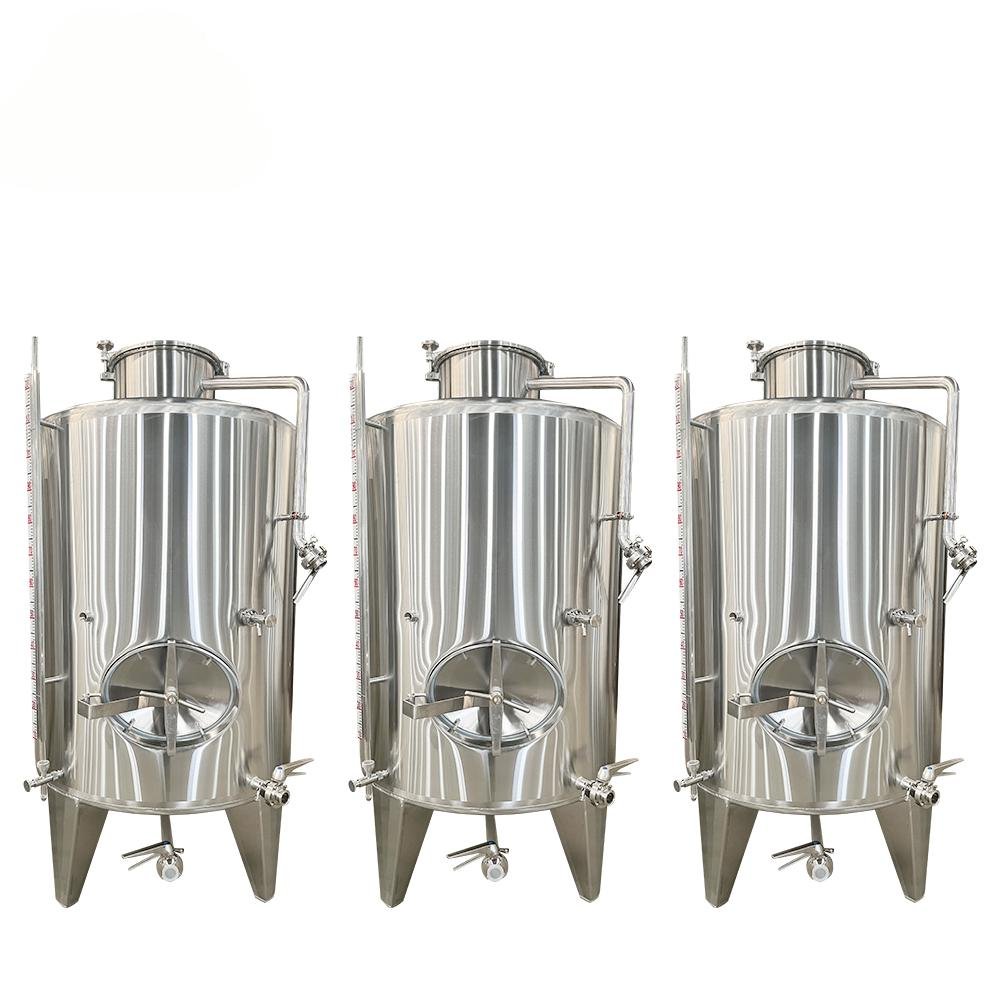
Equipment overview
A 3,000L wine fermentation tank can be reviewed where an existing cellar needs another production vessel without changing the entire process. The important starting point is the present bottleneck: fermentation space, cooling, pressing or the handling of incoming fruit.
Where this equipment fits
Map the new tank into the harvest plan rather than adding its capacity to the annual output figure. Confirm when it will fill, what remains in other tanks, and when pressing and cleaning release it for another lot. Shared pumps and cooling circuits may limit how closely these operations can overlap.
Configuration to discuss
- Required working fill and total internal volume, with fermentation allowance defined.
- Juice or skins-on fermentation duty and the access it needs.
- Temperature sensing, cooling provision and service connections where required.
- Sampling, racking, solids discharge and cleaning features selected for the process.
Plan the installation
Provide a site drawing showing the installation route, floor levels and existing pipework. Discuss the footprint together with the loads, supports and operating access for the proposed design. Outdoor placement, if requested, also needs a site-specific review of weather exposure and services.
Cleaning and handling
Review the cleaning method around the actual wine process and residue. Access openings, drain positions and removable components should allow inspection after cleaning. Specify the material and surface requirements in the quotation. A still-wine vessel must not be assumed suitable for pressure fermentation, carbonation or vacuum duty.
Frequently asked questions
Can a new tank match our existing fittings?
Connection standards and positions can be reviewed from drawings and photographs. Include the actual fitting sizes, transfer routes and cleaning connections so matching requirements can be stated in the equipment proposal.
Ask about your project
Send your required capacity, destination country and a short description of the process. If this is an addition to an existing site, include the equipment and connections it must work with. Contact UNMAR for a configuration and quotation.